Friday, November 1, 2013

Why Your Organization May Need a Performance Improvement Strategy...

It is believed that having the right metrics can only get you 80% of the way to an effective performance metrics program. The last 20% comes from deploying the metrics, seeing how they affect performance, and then adjusting them accordingly. The same can be said about the areas which these metrics guide. One of the main reasons we measure performance is so that we can identify weaknesses and areas of improvements. What we do once we identify these weaknesses and areas of improvement is what determines how effective our performance initiative, and in turn, organization will be.


The purpose of performance improvement is not to point fingers and place blame on a group or individuals that are not performing well, nor is it intended to solve problems. Performance improvement is simply a way of looking at how an organization can perform better. The difficulty with performance improvement, especially in an enterprise organization, is understanding which processes are working well and which aren’t and knowing what to tackle first when key processes are interconnected.


Other challenges of implementing a performance improvement plan enterprise-wide occur when performance management teams try to implement change on a large scale. Performance improvement is best accomplished by implementing small changes, mastering a particular process to achieve those changes and identifying the next change that will lead to further performance improvements.


The best way to ensure that your organization is constantly improving and identifying relevant areas for improvement is by involving all employees, from top management down. Most often, negative performance is a result of one or more of the following factors, and is best resolved when all levels of the organization participates:


  • Unclear team/job responsibilities

  • Unclear or lack of performance feedback

  • Inadequate physical environment, including improper tools, supplies, or workspace

  • Lack of motivation and incentives to perform as expected

  • Skills and knowledge required for the job

  • Ineffective processes


Take control of your organization’s performance and join the elite group of high performing organizations.


About Victor Holman


Victor Holman is a Business Performance Expert and CEO of Lifecycle Performance Professionals.  His Business Done For You Service helps small business owners level the playing field with larger, higher budget competitors by delivering high performance marketing, management and social media solutions that build credibility and expert status, and generate steady leads and increased profits.


Get FREE ACCESS to his highly acclaimed Insider’s Secrets Club, which provides the latest business growth tools and strategies to explode your income.


http://www.lifecycle-performance-pros.com/Free-Stuff/free-insiders-secrets-club-signup.html


Get a FREE Performance Management Kit at http://www.lifecycle-performance-pros.com/Free-Stuff/free-kit.html


Why Your Organization May Need a Performance Improvement Strategy...

Thursday, October 31, 2013

How to Evaluate Organizational Performance in Economic Hard Times

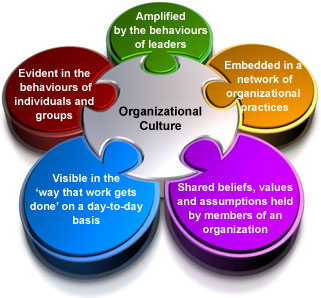
Organizational CultureWe’ve all made the decision to improve our appearance at some point in our lives. Maybe we’ve decided we were going to lose weight by dieting and exercise. Or maybe we’ve decided to gain strength by lifting weights. The first thing we did was stepped on that scale and said “Wow, I need to lose a few pounds”. Or we ran to the gym and measured our strength and endurance at various exercises.


What we were actually doing was creating a baseline. We were creating a snapshot of our current selves. Let’s just pretend that we didn’t baseline our current self, we didn’t have our measurements, and based personal goals based on Miss America, or Mr. Universe’s appearance. We wouldn’t capitalize on the available data (our current selves) and set realistic goals. Shortly, we’d become frustrated, lose motivation, and eventually fail.


Likewise, businesses often don’t capitalize on available data to get them through difficult times. With a new year beginning and growing concerns of our economic future, now is a good time to evaluate our current environments and identify our organizational strengths, weaknesses and areas for improvements and cost savings. This article discusses the value of baselining organizational performance, different baselining approaches your organization can, and overcoming variables that add complexity to your performance baselines.


Baselining involves using historical performance data to calculate averages and standard deviations. The average establishes the baseline and the standard deviation is a percentage change in the baseline deemed acceptable. When performance exceeds the standard deviation, some specified action is usually required.


If your organization has clear, specific goals and objectives, the data to be used in the baseline is easier to determine. And of course, if goals and objectives are vague or unclear, it can be difficult to identify important baseline data. But given these tough financial times, it is probably most beneficial to focus on financial performance and key processes.


A performance baseline is performance information gathered to evaluate your current state and measure variations to gauge successes and failures within the organization. Baselines may also be used to establish goals and standards, to set SLA metrics and performance thresholds, and to make important decisions. But perhaps the most important, but overlooked reason we do performance baselines is to refocus our organizations on what’s important. You may have done a baseline a couple of years ago, but chances are you are still measuring the same things you measured back then. Performance a new baseline forces us to re-evaluate what’s important to organization as it endures the constant changes brought on by this dynamic economy.


Types of Performance Baselines


There are three types of baselines:


  • rolling baselines

  • recurring time-based baselines

  • and specific date baselines.


Rolling baselines compare current performance metrics with a period of time preceeding the current period. An example would be comparing last month’s performance to the average performance of the previous 12 months.


Recurring time-based baselines compare current performance metrics with performance baselines calculated for the same length of periods. Daily or weekly baselines are good examples of recurring time-based baselines.


Specific date baselines compare current performance metrics with the metrics from a specific date. For example, gathering baseline sales metrics for the day after Christmas.


Complexitites of Baselining Performance


Historical baselines often answer the question “how many?” such as “how many tickets were created over a given period of time?” The historical baseline data are the averages of such counts over that specified period. Baselines can be relative to any arbitrary point in time.


While this seems simple, it gets more complex when you take into effect some of the following variables: processes that take several days to complete, business hours calculations (e.g. M-F, 9-5, excluding holidays or specific dates), calculations involving multiple time zones, and calculation involving phased implementations.


When processes extend for multiple days, counting and time calculations become considerably more difficult, especially when a reporting tool is not utilized. Processes executed on business days and during business hours are also more difficult. In this case the proper divisor at the Day level is the number of business days in the last 365 calendar days, taking into account weekends and holidays. The divisor at the Hours level is the number of business hours in the last 24 hour period. Calculations with Multiple Time Zones can span across multiple cities around the world, reflecting different holidays and work norms. The baseline divisor thus becomes a function not only of Time but also of Location, thus further complicating the process. Projects utilizing phased implementations where new locations or divisions go “live” as the enterprise expands (such as in a phased Enterprise Resource Planning implementation). In this case, the baseline calculation must take into account how long a particular location has been live in order to obtain an accurate baseline.


Understanding Variables and Standard Deviations


Variance and Standard Deviation are measures of how spread out a distribution is. In other words, they are measures of variability. The spread is the degree to which scores on the variable differ from each other. If every score on the variable were about equal, the variable would have very little spread. Standard Deviation is the square root of the variance. It is the most commonly used measure of spread. An important attribute of the standard deviation as a measure of spread is that if the mean and standard deviation of a normal distribution are known, it is possible to compute the percentile rank associated with any given score. In a normal distribution, about 68% of the scores are within one standard deviation of the mean and about 95% of the scores are within two standard deviations of the mean.


Identifying the Right Data to Baseline


There’s a basic rule to identifying the right data to baseline:


1) measure what your customers say is important,


2) measure areas where there are problems you’d like to solve, and


3) measure the business objectives you are aiming to achieve.


If your organization has clear, specific goals and objectives, the data to be used in the baseline is easier to determine. However, if goals and objectives are vague or unclear, it is difficult to identify important baseline data. Measurements should be aligned to your organization’s objectives and should be SMART (Specific, Measurable, Actionable, Relevant, and Timely).


——————————————–


Victor Holman is a Business Performance Expert and CEO of Lifecycle Performance Professionals.  His Business Done For You Service helps small business owners level the playing field with larger, higher budget competitors by delivering high performance marketing, management and social media solutions that build credibility and expert status, and generate steady leads and increased profits.


Get FREE ACCESS to his highly acclaimed Insider’s Secrets Club, which provides the latest business growth tools and strategies to explode your income.


Get a FREE Performance Management Kit at http://www.lifecycle-performance-pros.com/Free-Stuff/free-kit.html


Visit Victor at www.lifecycle-performance-pros.com or www.victorholman.com today


How to Evaluate Organizational Performance in Economic Hard Times

Wednesday, October 30, 2013

10 Steps For Managing Key Processes That Drive Business Success


Process Improvement - Lifecycle Performance Pros

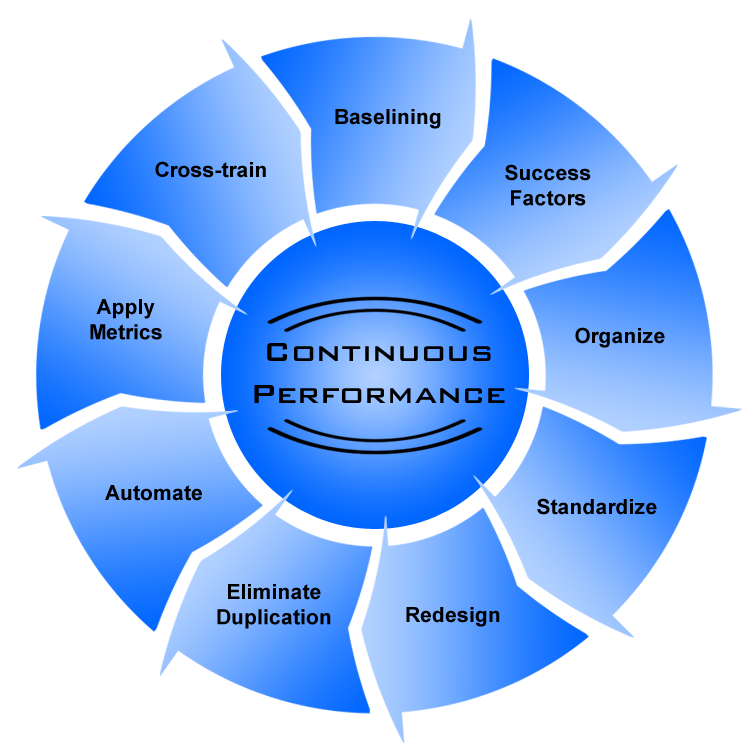
Process Improvement Life Cycle for Continuous Performance


When it comes to performance management, managing the performance of your processes can be your best avenue for driving performance gains. Identification of key business processes is critical to organizations as they execute your strategy by aligning the results of these processes with the strategic goals. Key business processes are those processes which have maximum impact on the success of your organization. Key processes are those that move you closer to your goals and have the greatest impact on your organization. In other words, these are the processes which would seriously impact revenues, should they fail. This article examines the steps necessary to manage and maximize the efficiency of your key processes.


A typical organization should only have less than 15 key processes. A few will be the generic processes within your industry, while others will be specific to your unique approaches, goals, service, geographic location, policies, etc. In my experience, organizations are aware of most of the processes that drive their success. Unfortunately, there are often many processes which have an equal or greater impact on the organization which never receive the attention they deserve. Many times, it’s these latent processes that keep organizations from performing up to their potential. Identifying key processes using a structured approach, aligning their outcomes to deliver the business goals, designing appropriate measures and allocating sufficient resources for their improvement is the key to the success of an organization.


Many organizations struggle to identify their key processes. Most people within organizations understand their team’s function within the organization, but they do not understand how their team’s function interacts with other group functions. Business processes are streams of activity that flow across functional boundaries. For this reason, business processes are said to be fragmented, or scattered across functional silos. This is where the performance management team’s services are so valuable. Assigning a process engineer as part of the performance management team can enable you to standardize processes and bridge the communication gap that exists between functional support groups. Below is a 10 step process for managing key processes that drive business success.


Baseline Current Environment


Every performance improvement initiation starts with a baseline. You must first know how well your organization currently executes your key processes before you can fully understand what you need to do in order to reach your desired level of process execution. This is the foundation and gives you your starting point for where you need to improve.


Identify Critical Success Factors


Critical success factors are the elements that must be present in order for an initiative to be successful. Some critical success factors in process management include:

•Process alignment – aligning processes to organizational goals and objectives is critical to organizational success

•Technology investment – the more you can automate your processes, the more efficient your organization will and the more you’ll be able break down and identify bottlenecks and inefficiencies

•Measuring performance – in order to truly understand your process execution, you must be able to measure your processes from start to finish.


Organize and Centrally Locate Processes


In order to fully understand how processes interact with one another, your processes must be organized. It used to be that each department managed their processes with very little interaction with other divisions. But in today’s fast paced business models and the need for instant process execution, it is vital that organization’s consolidate, standardize and manage cross-functional processes. This requires centrally locating processes and taking a look at the big picture.


Standardize Processes


Often times organizations have similar processes that are executed by multiple divisions and teams. One division may be extremely efficient at executing that process while another division executes at a much lower efficiency rate. Unfortunately, many organizations don’t standardize their processes. By leveraging the processes that strong performing divisions employ and standardizing those processes among weaker performing divisions, the entire organization can benefit from extraordinary performance gains.


Redesign Inefficient or Ineffective Processes


This is where we take action. Once we’ve baselined and measured our processes, we are now ready to take action. Identify the inefficient processes within your organization and the processes that do not support the organizational goals and objectives. If you have a small organization or limited manpower, you can take one process a time. You’ll see that over time you will have redesigned several processes and the impact will be clear.


Eliminate Workarounds and Duplicate Steps


How many times have you worked on a process that was flawed and you found a workaround? It’s amazing the things we will do patch up a process error to get the job done. It always amazes my clients when we map out a process and find all of the inefficiencies and duplicate steps. I’ve seen some processes where two divisions basically passed ownership back and forth until it came to an escalation point and a decision was made by senior management. You’ll be surprised at how much time you can cut out of a process when these flaws are mitigated.


Automate Processes Where Possible


This is the name of the game. The more automated your processes, the less chance for human error and the more predictive your performance will be. This sometime requires a significant investment. But in an age where we want things done yesterday, the investment is most times well worth staying ahead of your competition and establishing customer loyalty.


Identify Metrics and KPIs


This is where we quantify how effective our processes are. Establishing performance measurements for your key processes, especially those that span across multiple organizations will significantly improve your performance. How many times have you evaluated a failed process only to get the usual finger pointing across the divisions involved? When you can break down a performance measure and understand how much time it should take for each division (or individual) to execute their part of the process, then you can assign accountability. And accountability often means results.


Cross Train Employees


In order for an organization to be successful, especially large organizations, it’s important that employees understand three things:

1.what are the organizational goals and objectives

2.how does their function contribute to the organizational goals and objective, and

3.how does my function impact the larger, cross-functional process


Understanding how each employee’s function impacts the function of other division is the first step in gaining synergy among your employee and the processes that drive your organization.


Develop Plan for Process Reevaluation


So, you’ve baselined and centralized your processes. You have standardized where possible. You have eliminated inefficiencies and workarounds. You have applied metrics, automation and cross trained employees so that they understand their role in the bigger picture. Now it’s time to do it all over again. Remember, process improvement is a continuous process. Your competitors are going to keep getting better, faster, more efficient and you must too.


Victor Holman is a Business Performance Expert and CEO of Lifecycle Performance Professionals.  His Business Done For You Service helps small business owners level the playing field with larger, higher budget competitors by delivering high performance marketing, management and social media solutions that build credibility and expert status, and generate steady leads and increased profits.


Get FREE ACCESS to his highly acclaimed Insider’s Secrets Club, which provides the latest business growth tools and strategies to explode your income.

Visit Victor at www.lifecycle-performance-pros.com or www.victorholman.com today


10 Steps For Managing Key Processes That Drive Business Success

Wednesday, January 20, 2010

How to Implement a Successful Information Technology Performance Program

The IT/IS department's role is to provide technical support for the entire organization. While we know that this alone is a complex task, today's business model requires IT/IS to not only support users, but to align technology to meet the business needs of the organization. Understanding business unit objectives and translating them quickly and accurately into IT priorities is essential today. Just as critical is the ability to effectively communicate IT planning and performance data in a way that is useful to business unit management. The growing complexity of IT/IS, the frequent technology changes which take place, and its continuous impact on organizations, have made managing IT performance a critical function for most organizations. Executives are constantly looking for ways to use IT/IS more effectively, and identify uses which generate a higher value add. At the same time they must guarantee the effective integration and return on investment in order to achieve organizational goals and gain a competitive edge.

So how does a performance management team measure how well an organization's IT/IS is aligned to organizational objectives? To answer that, first let's take a look at the different vehicles for aligning and measuring IT performance. The IT Performance Management System utilizes the following vehicles to generate reports that help an organization understand how well they are measuring up to business objectives:

  • Service Level Agreements
  • Performance-Based Contracts
  • Products and services catalogs

Performance Based Contracting (PBC) and Performance Based Acquisition (PBA) are techniques for structuring all aspedcts of an acquisition around the purpose and outcome desired as opposed to the process by which the work is to be performed. Performance-based contracts are predefined by an agreement between the user community, the organization and external service providers.

A Service Level Agreements (SLAs) is a seamless contract that establishes specific services that the organization will deliver to the end-user community with regards to various timeliness, availability, performance, and problem resolution criteria. The metrics contained in a performance based contract need to be specific, measurable, trackable, and meaningful. Performance-based contracts state what a vendor will perform and how well they must perform that activity in order to fulfill its commitments. This gives the vendor the freedom to approach the task however it deems fit, in order to meet the agreed upon requirements.

Product and service catalogs document the products and services that the IT department provides. They underpin the service level management process. The service desk uses the product and services catalog to advertise IT services, and to assist in day to day activities. Documenting these services allow your organization and customers to negotiate SLAs, establish Operating Level Agreements (OLAs) and execute underpinning contracts.

These vehicles are all extremely important in ensuring that your IT performance program is aligned to organizational goals and objectives and that the metrics you are reporting drive your organization to achieve them.

Which Functions Does Your IT Department Support?

What functions does your IT department support? Help desk, capacity planning, data integration, security and custom business application development are a few of the functions most IT departments today support which are critical to the success of a business. It is the performance management team's responsibility to ensure that they identify and report on metrics that capture true business effectiveness.

Questions the performance management team should ask senior management regarding IT strategic alignment and performance:

  • Which of your business unit's processes support the organization's mission the most?
  • Do the metrics we report on drive those processes?
  • Are you satisfied with the current performance throughout your organization?
  • Do our metrics address the company's critical needs?
  • Do our reports provide the required information to make business decisions?
  • Do they identify areas of misalignment?
  • Do IT initiatives appear to be prioritized appropriately?

Inputs into the IT Performance Management Process

IT Performance success and organizational success in general begin with defining organizational goals and objectives. It is critical that IT functions are centered around helping the organization reach it's goals and objectives. If obtaining the best customer satisfaction results is important to your organization, then measuring how many tickets your help desk generates is not the most important metric to pay attention to. Customer satisfaction rating, customer loyalty and time to resolve issues would be more appropriate. When you are determining which metrics you'd like to include in your service level agreements, make sure you identify measurements that drive your organizational goals.

Budget, schedule and project risks are also important when managing your organization's IT performance. The key to successfully managing any project is to make sure you accomplish your tasks under budget and within schedule. By integrating these factors into your service level agreements and other performance based contracts greatly increases the success of your performance initiative.

Outputs to the IT Performance Management Process

Once you have setup the service catalog and performance-based contracts you can focus on the outputs that your performance team will produce. These outputs include:

  • data
  • internal reports (how well are day-to-day operations being executed?)
  • customer-based reports (how satisfied are your customers?)
  • performance reports (is your performance meeting the standards of the performance-based contracts?)
  • contractor-based reports (how well is the service that your contractors/service providers are providing?)

The IT Strategic Planning Process

The planning process involves asking such questions as who participates in the work group, who is responsible for the plan, how can user participation be guaranteed, how can coordination of the different departments involved be assured and how can the quality of the process be reached. The composition of the group responsible for IT/IS planning is a key factor in the planning process. Therefore, the team that finally approves the strategic plan for IT/IS is usually comprised of the top management of the company, the managers of the different functional areas and by the IT/ IS managers whom, with their teams, prepare the plan. Companies that fail to commit senior and departmental management to the strategic plan have a difficult, if not impossible task of aligning IT systems to Business Strategy.

Why is it important to evaluate strategic planning when it comes to Performance Management? Because measuring the right processes is the difference between an organization that is functional and one that's highly efficient. Measuring the right processes allows an organization to eliminate investments that are not producing favorable results. And because it allows them to focus on the areas that most affect the success of the organization.

Victor Holman is a performance management expert who helps organizations reach performance goals through best practice analysis and implementation and custom enterprise performance management products and services.

Check out his FREE performance management kit, which includes several templates, plans, and guides to help you get started with your next initiative.
Victor's complete Lifecycle Performance Management Kit is a turnkey organizational performance management solution consisting of a web based organizational performance analysis, 7 guides, 39 templates, 600+ metrics, 35 best practices, 48 key processes, a performance roadmap and more.
His Organizational Performance and Best Practice Analysis measures how well organization's utilize the key performance activities that drive organizational success, and identifies cost savings opportunities and the critical path to reaching organizational goals.

Learn all about performance management at The Performance Portal

10 Simple Ways to Improve Sales Performance

Are your business goals to sustain growth, increase revenue, and increase market share? While there are numerous ways to go about this, the simple fact is expanding your business is not possible without increasing sales. Often times, we focus so much on improving our products and services that we don't concentrate enough on sales performance. And when we do, we focus mainly on attracting new customers. So much so that we sometimes forget about our most prized possessions; our existing and past customers. This article discusses ways to attract new customers while at the same time enticing past customers to buy again.

1. Communicate organizational and sales goals throughout your sales department.

Are your organization's goals and objectives clearly stated and documented. Does your entire sale force (including managers, salespersons, and support staff) understand executive management's goals and objectives. Do they understand how their sales goals and objectives support the overall organizational objectives? This is the number one, first thing that must be in place in order to have a successful sales program. It's very easy to find out if this critical step is in place, just ask your team members.

2. Gain executive management Buy-In.

It is critical that executive level managers buy into your sales strategy. Studies have shown that senior level management that places value in leveraging sales performance data into overall strategy increase their organization's chances for success. Compound this with strong sales leadership that is able to translate the sales strategy into action and these organizations are often able to quantify extraordinary results through sales performance management. Executive management can also ensure that your sales program has the necessary funding it needs to implement a successful strategy.

3. Define and communicate competencies for salespeople.

You may already have sales competencies. If so, reevaluate them and make sure that they are specific, unique and drive organizational goals. Make sure that they are not generic job descriptions that don't support objectives. What makes your top salespeople successful. Document these characteristics and the processes that these top performers have in place. Mimic these behaviors throughout your sales force.

4. Strengthen your sales efforts on products and services that generate the most income.

Now I'm not saying that you shouldn't try to increase sales in many different areas. I encourage organizations to explore new avenues for generating sales. But if there is something that your customers really buy into and you see greater sales from that area, you should be maximizing your profits in these areas even if it means reallocating resources from weaker areas.

5. Link sales training and performance-management systems to your business goals and competencies.

Make sure that your sales staff are properly trained to most effectively execute their function. Do they have all the resources they need? Does training address specific challenges that your sales force encounters? A detailed, competency-based selection process will give you a profile of each sales person's strengths and development needs. Identify which areas each salesperson is weak in and provide the necessary training for them to improve in those areas. Identify their strengths and leverage their knowledge and processes to help train other staff. Integrate their development plan into the performance management process.

6. Set up a sales incentive program.

Let's face it. Most people are not the motivated goal reaching machines they are capable of becoming. Give your sales staff a reason to achieve great things. Reward them for their accomplishments. They will continue to return the favor. Be creative. If that dinner for two to the local restaurant isn't stirring up competition find something that will. Remember, the more people you can get to compete for incentives the more successful your sales team as a whole will be.

7. Encourage your sales staff to upsell.

Upselling involves persuading customers to buy additional products or services, which normally relate to, benefit and compliment the original purchase. But just throwing additional products at them won't work. For example, if you own a pet grooming business, you may try to upsell your customers to buy pet grooming supplies to maintain their current look. Not a great example, but you get my point.

8. Tier your customers.

This is an effective technique, however it must be used with care. Customer tiering is assigning different values to customers to ensure that your best customers get the best treatment. While there are customers that you want to ensure top level service, it's important that you value all of your customers. More and more companies are using this technique to decide whether you're a customer worth taking care of and it is very troubling to know that careless, almost discriminatory practices may be taking place. Ways you may want to show customers that they are important is by recognizing them, greeting them by name or going out of the way to contact them, and offering them discounts or referral bonuses.

9. Set up a customer rewards program.

We talked about sales incentive programs. Now we need to focus on customer reward techniques. Customer reward programs can be as simple as providing a discount for every additional product your customers purchase, to offering them referral bonuses and incentives, to providing them VIP status. These simple techniques can build customer loyalty and repeat sales.

10. Offer customers free valuable, products or services.

Giving away something for free to your customers is one of the easiest way to get viral marketing benefits. This means that your customers are more likely to refer a product or service to their friends or business partners if you can provide a free sample. This is why you see so many 'free trial' or 'test drive' offers.

Victor Holman is a performance management expert who helps organizations reach performance goals through best practice analysis and implementation and custom enterprise performance management products and services.

Check out his FREE performance management kit, which includes several templates, plans, and guides to help you get started with your next initiative.

Victor's complete Lifecycle Performance Management Ki is a turnkey organizational performance management solution consisting of a web based organizational performance analysis, 7 guides, 39 templates, 600+ metrics, 35 best practices, 48 key processes, a performance roadmap and more.

His Organizational Performance and Best Practice Analysis measures how well organization's utilize the key performance activities that drive organizational success, and identifies cost savings opportunities and the critical path to reaching organizational goals.

Learn all about performance management at The Performance Portal

11 Steps to Improving Performance Through Data Collection and Gap Analysis

It is believed that metrics teams can only get 80% of the way to an effective set of metrics. The last 20% comes from deploying the metrics, seeing how they affect performance, and then adjusting them accordingly. The same can be said about the performance which these metrics guide. One of the main reasons we measure performance is so that we can identify weaknesses and areas of improvements. What we do once we identify these weakness and areas of improvement is what determines how effective our performance initiative, and in turn, organization will be. The purpose of performance improvement is not to point fingers and place blame on a group or individuals that are not performing well, nor is it intended to solve problems. Performance improvement is simply a way of looking at how an organization can perform better. The difficulty with performance improvement, especially in an enterprise organization, is understanding which processes are working well and which aren't and knowing what to tackle first when key processes are interconnected.

Other challenges of implementing a performance improvement plan enterprise-wide occur when performance management teams try to implement change on a large scale. Performance improvement is best accomplished by implementing small changes, mastering a particular process to achieve those changes and identifying the next change that will lead to further performance improvements.

The best way to ensure that your organization is constantly improving and identifying relevant areas for improvement is by involving all employees, from top management down. Most often, negative performance is a result of one or more of the following factors, and is best resolved when all levels of the organization participates:

  • Unclear team/job responsibilities
  • Unclear or lack of performance feedback
  • Inadequate physical environment, including improper tools, supplies, or workspace
  • Lack of motivation and incentives to perform as expected
  • Skills and knowledge required for the job
  • Ineffective processes

Lifecycle Performance Improvement is an eleven step, systematic methodology for identifying weaknesses and the root causes of performance problems, and implementing a solution that applies to those specific performance deficits.

1. Review organizational goals and objectives

Identify/review performance measures (quantity, quality, cost or timeliness) that focus on these objectives

2. Define desired results for the processes

As guidance, focus on results needed by other domains (e.g., products or services needed by internal or external customers). Performance baselines are a good place to start to determine reasonable targets.

3. Measure performance and document results

Ensure that report parameters and formulas are well documented and consistent as these measures are revisited throughout the performance improvement process.

4. Compare the actual results to the desired results

This gives you an idea of how much work you have ahead of you. The further the actual results are from the desired performance the greater the performance gap.

5. Weigh/prioritize the measures that need improvement

Some criteria that may be useful to consider are value of metric, organizational impact, ease of implementing improvement measures, time restraints, etc.

6. Identify other areas of weakness

Often times, investigation of a performance gap will lead you to other weaknesses, which contribute to that gap in performance. In fact, major cross-functional processes are often low performing because of an underlying or sometime unrelated area of weakness.

7. Identify root causes of performance gap

This step involves identifying situations which consume resources, adversely affect the organization, and tend to be repetitive, causing action to eliminate the problem so the situation does not occur again. Root cause analysis (RCA) is a method that identifies causal factors, including interpersonal bottlenecks and dysfunctions that keep a business from achieving financial success. There are several ways to outline root causes. Answering the following questions can aid in identifying root causes:

  • Why did this event happen?
  • What occurred to create it?
  • What occurred prior?
  • What occurred following?
  • What is the significance of the event with respect to customer?
  • Who allowed this condition to exist?
  • Who was supervising this activity?
  • When did it occur?
  • Where (physical location, environmental condition)?
  • How did this condition originate?

Once the root cause is determined then it has to be determined whether it costs more to remove the root cause or continue to treat the symptoms. In a performance improvement setting, removing the root cause is preferred, but again, organizational objectives are the main influence on this decision.

8. Identify solutions

This step involves developing a performance improvement plan based on the organization's weaknesses and root causes. This is where an organization maps out its plan to achieve the desired results, measures and standards that were previous unattainable. The root cause analysis performed in the previous step should assist identifying the best solution for each performance gap.

9. Implement solutions

Well, the hard part is finished. You've identified your problems and determined their root causes. You've generated numerous alternative solutions, and you've chosen the best alternative. If the solution is complicated, or if it requires a lot of work to implement, it might be best to prepare an action plan outlining the necessary steps to be taken. This plan may indicate who is responsible for each action, the target date for completing them, and available resources.

10. Exchange feedback

This is an ongoing process that is often undervalued. Continuous feedback can sometimes enable an organization to identify root causes long before they become problematic. But remember, feedback can only be effective if the organization acts on some of those suggestions.

11. Monitor and evaluate feedback

This is the most important step and extends throughout the entire performance improvement process. This is where you determine the effectiveness of the performance improvement plan. Monitoring and evaluation shows progress, problems and achievements against your goal and objectives. Monitor and evaluation stages help you:

  • make decisions and recommendations about future directions
  • identify the strengths and weaknesses of performance
  • enable judgments to be made about the worth of the measurement
  • determine the rate and level of attainment of the objectives
  • maintain accountability.

About Victor Holman

Victor Holman is a performance management expert who helps organizations reach performance goals through best practice analysis and implementation and custom enterprise performance management products and services.

Check out his FREE performance management kit, which includes several templates, plans, and guides to help you get started with your next initiative.

Victor's complete Lifecycle Performance Management Kit is a turnkey organizational performance management solution consisting of a web based organizational performance analysis, 7 guides, 39 templates, 600+ metrics, 35 best practices, 48 key processes, a performance roadmap and more.

His Organizational Performance and Best Practice Analysis measures how well organization's utilize the key performance activities that drive organizational success, and identifies cost savings opportunities and the critical path to reaching organizational goals.

Learn all about performance management at The Performance Portal

Success Factors For Developing a Winning Performance Management Team

The other day I was asked how to create a performance team that can tackle the challenges of the modern enterprise. The selection of the performance management team is critical to the success of any large project. This article focuses on the structure, skills and success factors for your next large performance management initiative.

Centralized vs. Decentralized

All performance teams have one thing in common, that is gathering key metrics and reporting them to key stakeholders. How they gather this information depends on the organization's structure. There are two ways performance teams gather and report information; centralized and decentralized. In a centralized structure, the performance management team has access to all of the organization's key resources and is responsible for running the queries, ensuring accurate results and reporting on performance throughout the organization. In a decentralized structure business units are responsible for gathering their own data, and the performance team sends out data calls where the business units provide the metrics to the performance team. The performance management team then assembles these collected metrics into dashboards, scorecards and other graphical displays. Many organizations, especially those with business units that handle sensitive data have a hybrid structure. This is where the performance team is responsible for producing some of the metrics while business units are responsible for providing some of their metrics to the performance team. The ideal situation is for the team to have full reporting access to all major systems, where accurate results can be guaranteed and where those reports are accessible for business unit managers to monitor and ensure desired service.

Performance Management Team selection

The key person on the performance management team is the team lead. A highly skilled team lead is the key to the success of your performance initiative. Whether this person is within your organization or an outside consultant, they should be dedicated 100% to this project, should be highly experienced with performance measures, more knowledgeable in the areas of performance than senior management, and should be able to motivate the people whose performance will be measured and reported on. The size of your team will depend largely on the size and complexity of your organization. A performance team in a centralized structure will be larger than a team in a decentralized structure, because more resources are necessary to gather the performance data and communicate with the business units. In most cases the management team will include subject matter experts in fields such as data integration and industry related processes. These roles will be discussed further in the execution phase. The management team should be well aware of the issues facing the organization from the customer, employee, senior management and key stakeholders perspectives. They should understand the financial and operational goals of the organization. And most importantly, they must be experienced with analyzing data and providing feedback on suggested measures, while constantly searching for new, creative methods of managing performance.

Performance Management Team Success Factors

There are several factors outside of the performance management team's power that will play a critical role in the success of the performance initiative. These are the factors that require support from the rest of the organization. The performance management team must have:

- support and commitment from the CEO

- a direct reporting line to executive management

- access to systems, data, organizational charts, and processes

- management support and full commitment from their staff

- a liaison for each business unit to bridge gap in communication and operational knowledge

There are other success factors to be mindful of when time and budget constraints are introduced. For instance, if your organization is looking for an advanced solution integrating existing systems with multiple business intelligence tools, the performance initiative will most likely be delayed at various points due to purchasing, compatibility and implementation processes. If your organization is looking to improve performance with existing systems, you may not have the luxuries of the new, emerging tool's bells and whistles, but the good news is much can be done with standard applications such as MS Excel, Access and SharePoint... not to mention the learning curve. In fact, one goal of your performance initiative may be to maximize efficiency with the existing tools while at the same time researching new tools that will be the best fit for your service and infrastructure. A performance management initiative with existing tools may require a larger team because some older tools require manual processes to retrieve and assemble data. Other success factors include:

Team Leadership - As mentioned earlier, team leadership is the most critical success factor for the performance management team. A leader with strong performance management skills and the ability to develop others virtually guarantees a successful performance initiative.

Shared vision / approach - The ability for an organization to clearly state it's goals and objectives and gain buy-in among the employees along with a synergistic team that can carry out their responsibilities is vital to performance success.

Technology support - While a skilled performance management team can improve performance with very little tools and only an effective approach, with proper technology to support the team's needs, and the proper data to drive decision making, there is almost no limit to the improvements an organization will yield.

Senior leadership buy-in - It is critical that senior level management and executives buy into the performance initiative. Studies have shown that senior level management that places value in leveraging performance data into overall strategy increase their organization's chances for success. Compound this with strong performance managers that are able to translate the strategy into actionable measures and these organizations are often able to benefit from extraordinary results.

About Victor Holman

Victor Holman is a performance management expert who helps organizations reach performance goals through best practice analysis and implementation and custom enterprise performance management products and services.

Check out his FREE performance management kit, which includes several templates, plans, and guides to help you get started with your next initiative.

Victor's complete Lifecycle Performance Management Kit is a turnkey organizational performance management solution consisting of a web based organizational performance analysis, 7 guides, 39 templates, 600+ metrics, 35 best practices, 48 key processes, a performance road map and more.

His Organizational Performance and Best Practice Analysis measures how well organization's utilize the key performance activities that drive organizational success, and identifies cost savings opportunities and the critical path to reaching organizational goals.

Learn all about performance management at The Performance Portal